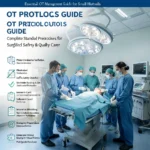
Complete Operation Theatre Planning from Basic to Advanced Level
An Operation Theatre (OT) is one of the most critical departments in any hospital. A properly designed OT ensures patient safety, infection control, surgical efficiency, and compliance with healthcare regulations. For small hospitals and nursing homes, setting up an operation theatre can be challenging because it requires balancing quality healthcare services with limited budgets and space.
This comprehensive OT Setup Guide explains everything from basic OT planning to advanced infrastructure requirements, helping healthcare entrepreneurs, hospital administrators, surgeons, and OT managers establish a safe and efficient surgical environment.
Understanding the Purpose of an Operation Theatre
An Operation Theatre is a specially designed area where surgical procedures are performed under sterile conditions. The primary objectives of an OT are:
- Providing a sterile surgical environment
- Minimizing infection risks
- Ensuring patient safety
- Supporting surgical teams efficiently
- Maintaining proper workflow during procedures
- Managing emergency situations effectively
A well-designed OT can significantly reduce surgical complications and improve patient outcomes.
Planning Before Starting an OT Setup
Before investing in infrastructure and equipment, hospitals must assess their requirements.
Factors to Consider
Type of Hospital
The OT requirements differ based on hospital type:
- General Hospital
- Multispecialty Hospital
- Orthopedic Center
- Maternity Hospital
- Day Care Surgery Center
- Eye Hospital
Expected Surgical Load
Estimate:
- Number of surgeries per day
- Specialties to be covered
- Emergency surgery requirements
- Future expansion plans
Available Budget
OT setup costs vary significantly depending on:
- Equipment quality
- Air conditioning systems
- Modular OT installation
- Monitoring technologies
- Sterilization systems
A realistic budget prevents unnecessary expenditures.
Ideal Location of the Operation Theatre
The OT should be strategically located within the hospital.
Recommended Placement
The OT complex should be:
- Easily accessible from emergency department
- Connected to ICU
- Near recovery room
- Away from public traffic
- Isolated from contaminated areas
Avoid Locations Near
- General waiting areas
- Hospital kitchens
- Waste disposal zones
- High-traffic corridors
This minimizes contamination risks.
OT Layout and Zoning
A proper OT layout follows zoning principles.
1. Protective Zone
Includes:
- Reception
- Changing rooms
- Administrative area
Purpose:
Controls entry into the OT complex.
2. Clean Zone
Includes:
- Pre-operative rooms
- Recovery area
- Equipment storage
Purpose:
Maintains cleanliness before entering sterile areas.
3. Sterile Zone
Includes:
- Operation Theatre
- Scrub area
- Sterile supply room
Purpose:
Provides maximum infection control.
4. Disposal Zone
Includes:
- Dirty utility room
- Biomedical waste storage
Purpose:
Handles contaminated materials safely.
OT Size Requirements
The size depends on surgical specialties.
General Surgery OT
Recommended:
30–40 square meters
Orthopedic OT
Recommended:
40–60 square meters
Advanced Modular OT
Recommended:
50–70 square meters
Adequate space improves movement of staff and equipment.
OT Flooring Requirements
Flooring must be:
- Seamless
- Non-slip
- Anti-static
- Easy to clean
- Chemical resistant
Common Materials
- Vinyl flooring
- Conductive flooring
- Epoxy flooring
Avoid tiles with joints because they harbor microorganisms.
OT Wall and Ceiling Specifications
Walls
Should be:
- Smooth
- Seamless
- Washable
- Antibacterial
Common materials:
- Stainless steel panels
- HPL panels
- Modular wall systems
Ceiling
Should support:
- Laminar airflow systems
- Surgical lights
- Ceiling pendants
- HVAC installations
HVAC System and Air Quality Management
Air quality is one of the most important aspects of OT design.
Objectives
- Remove airborne contaminants
- Control temperature
- Maintain humidity
- Reduce infection risks
Recommended Conditions
Temperature:
20°C–24°C
Humidity:
40%–60%
Air Changes:
20–25 air changes per hour
Pressure:
Positive pressure inside OT
HEPA Filtration
HEPA filters remove:
- Dust particles
- Bacteria
- Airborne contaminants
Efficiency:
99.97% filtration of particles as small as 0.3 microns.
HEPA filtration is essential in modern OT setups.
Laminar Airflow Systems
Laminar airflow provides unidirectional clean air movement.
Benefits:
- Reduced surgical site infections
- Better contamination control
- Improved sterility
Particularly important for:
- Joint replacement surgeries
- Neurosurgery
- Cardiac surgery
Electrical Infrastructure
OT electrical systems require special attention.
Essential Features
- Dedicated power supply
- UPS backup
- Generator support
- Isolated power system
- Earthing protection
Emergency Power
Critical equipment must remain functional during power failures.
Examples:
- Ventilators
- Monitors
- Anesthesia machines
- Surgical lights
Medical Gas Pipeline System
Modern OTs use centralized gas systems.
Common Medical Gases
Oxygen
Required for anesthesia and critical care.
Nitrous Oxide
Used during anesthesia administration.
Medical Air
Supports respiratory equipment.
Vacuum System
Used for suction during surgery.
All pipelines should comply with hospital engineering standards.
Essential OT Equipment
Operating Table
Should provide:
- Adjustable positioning
- Stability
- Radiolucency if required
Surgical Lights
Requirements:
- Shadow-free illumination
- Adjustable intensity
- LED technology preferred
Anesthesia Workstation
Includes:
- Ventilator
- Vaporizers
- Monitoring systems
Patient Monitor
Tracks:
- ECG
- Blood pressure
- Oxygen saturation
- Temperature
- Respiration
Electrosurgical Unit
Used for:
- Cutting
- Coagulation
- Hemostasis
Sterilization Infrastructure
Sterility is fundamental to surgical success.
Central Sterile Supply Department (CSSD)
Functions:
- Cleaning instruments
- Packing instruments
- Sterilization
- Distribution
Sterilization Methods
Steam Sterilization
Most common and effective.
Ethylene Oxide Sterilization
Used for heat-sensitive instruments.
Plasma Sterilization
Advanced low-temperature method.
OT Furniture Requirements
Necessary furniture includes:
- Instrument trolley
- Mayo stand
- Scrub sink
- Stainless steel cabinets
- Medicine trolley
- Linen storage units
All furniture should be corrosion resistant and easy to disinfect.
Staffing Requirements
A successful OT setup requires trained personnel.
Core Team
Surgeon
Performs surgical procedures.
Anesthesiologist
Administers anesthesia and monitors patient status.
OT Nurse
Maintains sterile field and assists surgeon.
OT Technician
Manages equipment and OT preparation.
Housekeeping Staff
Responsible for cleaning and disinfection.
Infection Control Measures
Infection prevention is a top priority.
Hand Hygiene
Staff must follow WHO hand hygiene protocols.
Surgical Attire
Includes:
- Scrubs
- Caps
- Masks
- Sterile gloves
- Sterile gowns
Surface Disinfection
Routine cleaning between procedures is mandatory.
Sterility Monitoring
Regular audits ensure compliance.
Biomedical Waste Management
Hospitals must comply with biomedical waste regulations.
Waste Categories
- Sharps
- Infectious waste
- Plastic waste
- Human tissue waste
Disposal Requirements
- Color-coded bins
- Secure transportation
- Authorized disposal agencies
Improper waste handling creates serious health risks.
Digital Technologies in Modern OT Setup
Advanced hospitals increasingly adopt digital OT systems.
Features
- Surgical video recording
- Integration systems
- Electronic medical records
- Digital imaging access
- Remote consultation support
These technologies improve efficiency and documentation.
OT Documentation Requirements
Essential records include:
Surgical Register
Records all surgeries performed.
Instrument Sterilization Records
Tracks sterilization cycles.
Maintenance Logs
Documents equipment servicing.
Incident Reports
Captures safety-related events.
Proper documentation supports accreditation and quality assurance.
Operation Theatre Safety Protocols — OT Technician Guide
Maintenance of OT Infrastructure
Regular maintenance ensures uninterrupted operations.
Daily Maintenance
- Cleaning
- Equipment inspection
- Gas pressure checks
Monthly Maintenance
- HVAC inspection
- Electrical testing
- Sterilization equipment checks
Annual Maintenance
- Comprehensive equipment servicing
- Calibration
- Compliance audits
Accreditation and Compliance Considerations
Hospitals should align with recognized standards.
Examples include:
- NABH standards
- Infection control guidelines
- Biomedical waste regulations
- Fire safety regulations
- Occupational safety requirements
Compliance improves patient trust and operational quality.
Common OT Setup Mistakes to Avoid
Many small hospitals make costly errors.
Frequent Mistakes
- Poor ventilation planning
- Inadequate electrical backup
- Insufficient storage space
- Weak infection control systems
- Underestimating future expansion needs
- Purchasing low-quality equipment
Avoiding these mistakes saves money and improves patient safety.
Future Expansion Planning
Hospitals should design OTs with growth in mind.
Consider:
- Additional operation theatres
- Advanced surgical specialties
- Digital integration
- Robotic surgery readiness
- Enhanced critical care support
Future-ready planning reduces renovation costs later.
Conclusion
A successful OT Setup Guide begins with proper planning, infrastructure design, infection control, equipment selection, and staffing. Small hospitals often focus only on purchasing surgical equipment, but a high-performing operation theatre depends equally on airflow management, sterilization systems, safety procedures, workflow design, and regulatory compliance.
By following this comprehensive OT Setup Guide, hospitals can establish an efficient, safe, and scalable operation theatre that delivers high-quality surgical care while meeting modern healthcare standards.