Simple lifestyle changes involving diet, exercise, weight and daily habits can help lower your risk of type 2 diabetes
Diabetes has become an increasingly important health concern, but developing type 2 diabetes is not always inevitable. While some risk factors, including age, family history and certain medical conditions, cannot be changed, everyday habits can make a meaningful difference in lowering the risk.
For people who have prediabetes or are at higher risk of type 2 diabetes, changes in eating habits, physical activity, body weight and other daily routines can help delay or sometimes prevent the disease. The U.S. National Diabetes Prevention Program and research such as the Diabetes Prevention Program have shown that lifestyle intervention can substantially reduce the risk of developing type 2 diabetes in people at high risk.
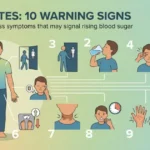
Prediabetes: 10 Warning Signs You Should Not Ignore
The important point is that diabetes prevention does not require completely changing your life overnight. Small, consistent improvements can add up over time.
Here are 10 lifestyle changes that can help reduce the risk of type 2 diabetes.
1. Maintain a Healthy Body Weight
Maintaining a healthy weight is one of the most important lifestyle steps for reducing the risk of type 2 diabetes, particularly for people who are overweight or have obesity.
Extra body fat, especially around the abdomen, can be associated with insulin resistance. When the body’s cells become less responsive to insulin, the pancreas has to work harder to help glucose move from the bloodstream into cells. Over time, this can contribute to higher blood sugar levels.
That does not mean you need to pursue extreme dieting or rapid weight loss. For people who are overweight and at high risk, even a modest reduction in body weight can make a difference.
The National Institute of Diabetes and Digestive and Kidney Diseases notes that losing about 5% to 7% of starting body weight may help prevent or delay type 2 diabetes. For example, someone weighing 200 pounds would be looking at a loss of approximately 10 to 14 pounds rather than an unrealistic goal of losing a large amount of weight quickly.
The focus should be on sustainable changes that can be maintained over the long term.
2. Become More Physically Active
Regular physical activity is another major part of diabetes prevention.
Exercise helps the body use glucose for energy and can improve how effectively the body responds to insulin. It can also support weight management, cardiovascular health and overall fitness.
A commonly recommended goal for people trying to reduce their risk of type 2 diabetes is at least 150 minutes of moderate-intensity physical activity each week. Brisk walking is one simple example.
You do not necessarily have to complete the entire amount in one session. Physical activity can be divided across the week. A 30-minute brisk walk on five days of the week is one practical approach, but shorter periods of activity can also be useful when building a routine.
If you have been inactive for a long time, start gradually. The goal is to develop a habit that you can continue rather than exercising intensely for a few days and then stopping.
3. Choose More Whole Foods
Your overall eating pattern matters more than following a fashionable diet for a short period.
A diabetes-conscious eating pattern can include vegetables, fruits, whole grains, beans and other legumes, nuts, seeds and other nutrient-rich foods. The aim is to make nutritious foods a regular part of meals while reducing reliance on highly processed foods.
Whole foods can also make it easier to control calorie intake and improve the overall quality of your diet.
You do not have to eliminate carbohydrates completely. Instead, pay attention to the type and portion of carbohydrate-rich foods you eat. Choosing higher-fiber options more often can be a useful part of a balanced eating pattern.
There is no single diet that works for everyone. The American Diabetes Association’s 2026 Standards of Care recognizes several evidence-based eating patterns, including Mediterranean-style and low-carbohydrate approaches, while emphasizing individualized nutrition.
The best eating plan is one that is nutritionally balanced, appropriate for your health needs and realistic enough to follow consistently.
4. Cut Back on Sugary Drinks
Sweetened beverages can make it easy to consume a significant amount of added sugar without feeling particularly full.
Regular soft drinks, sweetened fruit drinks, energy drinks and other sugar-sweetened beverages can contribute substantial calories to the diet. Drinking them frequently can make weight management more difficult.
A simple change is to make water your primary everyday drink.
If plain water feels boring, unsweetened tea, sparkling water or water flavored naturally with ingredients such as lemon can provide alternatives.
This does not mean that drinking one sweetened beverage automatically causes diabetes. The bigger issue is the pattern of frequent consumption over time.
Replacing sugary drinks with lower-calorie or unsweetened choices is one relatively simple habit that can improve the overall quality of your diet.
5. Eat More Fiber-Rich Foods
Fiber can be an important part of a healthy eating pattern.
Vegetables, fruits, beans, lentils, peas, whole grains, nuts and seeds can provide dietary fiber along with vitamins, minerals and other nutrients.
Fiber-rich foods can also help with fullness, which may make it easier to manage portion sizes and body weight.
Instead of trying to dramatically change your diet in one day, consider simple substitutions. White bread can sometimes be replaced with a whole-grain option. Refined snacks can be replaced with fruit, nuts or another nutrient-dense choice.
Beans and lentils can also be incorporated into meals more regularly.
The goal is not to find one “diabetes-fighting” food. Diabetes prevention is based on the overall pattern of eating and lifestyle habits.
6. Control Portion Sizes
Even healthy foods can contribute to excess calorie intake when portions become consistently larger than the body needs.
Portion control does not mean starving yourself. It means becoming more aware of how much food you are eating and how different foods fit into your overall daily intake.
Eating slowly can help you recognize fullness. Using reasonable serving sizes and avoiding automatically going back for another portion can also help.
Restaurant meals and packaged foods can sometimes contain much larger portions than you would normally eat at home. Being aware of serving sizes can therefore be useful when eating outside the home.
If weight loss is part of your diabetes-prevention plan, portion control can work alongside regular physical activity and a nutritious eating pattern.
7. Break Up Long Periods of Sitting
Exercise is important, but what you do between workouts also matters.
Someone may exercise for 30 minutes and then spend most of the remaining day sitting at a desk, watching television or using a phone. Finding ways to interrupt long periods of inactivity can be a practical improvement.
Stand up regularly. Walk around while taking a phone call. Take short walking breaks during work. Use stairs when practical. Do household activities instead of remaining seated for the entire evening.
These changes may appear small, but they can help create a more active daily routine.
The American Diabetes Association’s 2026 guidance also encourages breaking up prolonged sedentary time because doing so can help with post-meal glucose levels.
The objective is not to turn every moment into a workout. It is simply to avoid spending the entire day inactive.
8. Get Enough Sleep and Maintain a Regular Routine
Sleep is often overlooked when people talk about diabetes prevention.
A healthy lifestyle involves more than food and exercise. Regular sleep and a consistent daily routine can support overall health and make it easier to maintain other healthy habits.
Poor sleep can make healthy routines more difficult to maintain. When people are tired, they may find it harder to stay physically active, prepare balanced meals or control food choices.
Rather than focusing only on the number of hours you sleep, pay attention to your overall sleep routine. Try to maintain consistent sleep and wake times when possible and create a routine that allows enough time for rest.
If you regularly have trouble sleeping, wake frequently during the night or experience significant daytime tiredness, discuss the issue with a healthcare professional.
9. Avoid Smoking and Limit Unhealthy Habits
Smoking is not a diabetes-prevention strategy and should not be treated as harmless simply because diabetes is not the immediate concern.
For people at risk of type 2 diabetes, overall cardiovascular health is particularly important because diabetes and heart disease share several risk factors.
If you smoke, quitting can be an important part of improving your overall health.
Alcohol also deserves attention. If you drink, moderation is important, and people with particular medical conditions or medication requirements may need to avoid alcohol altogether.
Rather than searching for one lifestyle change that prevents diabetes, think about the combination of habits: nutritious food, regular movement, healthy body weight, good sleep and avoidance of harmful behaviors.
10. Check Your Blood Sugar and Know Your Risk
Lifestyle changes are important, but prevention also involves knowing whether you are already at increased risk.
Prediabetes can exist without obvious symptoms. A person may feel completely normal while blood glucose levels are already higher than the normal range.
Risk can be higher in people with factors such as overweight or obesity, a family history of type 2 diabetes, physical inactivity, high blood pressure, a history of gestational diabetes and increasing age.
If you have risk factors, talk with a healthcare professional about whether you should be tested for prediabetes or diabetes.
Knowing your blood sugar status can help you take action earlier rather than waiting for symptoms to appear.
What Are the Warning Signs of Diabetes?
One reason regular testing can be important is that prediabetes may have no obvious symptoms.
When diabetes develops, possible symptoms can include increased thirst, frequent urination, unexplained weight loss, increased hunger, tiredness, blurred vision and slow-healing sores. Some people may also experience frequent infections or other changes in their health.
However, these symptoms can have many possible causes. Having one symptom does not automatically mean that you have diabetes.
If you notice persistent or unusual symptoms, do not try to diagnose yourself based on an online article. Speak with a qualified healthcare professional and ask whether blood glucose testing is appropriate.
Can Prediabetes Be Reversed?
The term “reversed” can sometimes create confusion.
Prediabetes means blood sugar levels are higher than normal but not high enough to meet the diagnostic criteria for diabetes. It is a warning sign and an opportunity to make changes.
Research from the Diabetes Prevention Program found that an intensive lifestyle intervention reduced the risk of developing type 2 diabetes by 58% over about three years among people at high risk. The program focused on modest weight loss, healthier eating and at least 150 minutes of physical activity each week.
That does not mean every person can prevent diabetes simply by following the same plan. Individual risk varies, and some people will develop diabetes despite making significant lifestyle changes.
Nevertheless, the evidence strongly supports lifestyle intervention as an important tool for people at increased risk.
What If Diabetes Runs in Your Family?
A family history of type 2 diabetes can increase your risk, but it does not mean that developing the disease is unavoidable.
Genetics can influence risk, while lifestyle and other factors also matter.
If a parent, brother or sister has type 2 diabetes, consider discussing your personal risk with a healthcare professional. You may benefit from earlier or more regular screening depending on your age, health history and other risk factors.
Family history can actually be a reason to become more proactive rather than a reason to assume that diabetes cannot be prevented.
A Simple Daily Plan for Diabetes Prevention
You do not have to make all 10 changes at once.
A practical starting point could look like this:
Start the morning with a nutritious breakfast rather than relying on highly processed foods. Choose water or an unsweetened beverage instead of a sugary drink. Include vegetables, beans, whole grains or other high-fiber foods in meals. Take a brisk walk during the day and look for opportunities to avoid prolonged sitting.
Pay attention to portion sizes and try to maintain a healthy body weight. If you smoke, seek support to quit. Make sleep a regular priority and arrange appropriate blood sugar testing if you have risk factors.
Over time, these individual decisions can become normal parts of your routine.
Diabetes Prevention Is About Consistency, Not Perfection
There is no single food, exercise or home remedy that guarantees protection from type 2 diabetes.
The strongest evidence points toward a combination of sustainable lifestyle changes. Maintaining a healthy weight, being physically active, choosing nutritious foods, limiting sugary drinks, reducing prolonged sitting and monitoring your health can collectively lower risk.
For people with prediabetes, structured diabetes prevention programs may provide additional support. These programs can help people set realistic goals, track progress and make lifestyle changes that are easier to maintain.
The most important step is to begin with changes that are realistic for your circumstances. A 30-minute walk several days a week is better than planning an extreme exercise routine that lasts only a few days. Replacing sugary drinks with water is more sustainable than attempting an unnecessarily restrictive diet.
Small improvements, repeated consistently, can become meaningful long-term changes.
Final Takeaway
Type 2 diabetes prevention is not about achieving a perfect lifestyle. It is about reducing risk through habits that can realistically become part of everyday life.
If you are overweight, even modest weight loss may help. Regular physical activity can improve fitness and insulin sensitivity. A diet centered on nutritious, minimally processed foods can support better overall health. Limiting sugary drinks, controlling portions and breaking up long periods of sitting can further strengthen a prevention plan.
Most importantly, know your risk. If diabetes runs in your family, you have prediabetes, you are physically inactive, or you have other risk factors, speak with a healthcare professional about appropriate testing and prevention strategies.
Lifestyle changes can significantly reduce the risk of type 2 diabetes, but they cannot guarantee that the disease will never develop. Prevention works best when it is combined with appropriate medical screening and professional guidance.
Disclaimer
This article is provided for informational and educational purposes only and should not be considered medical advice, diagnosis or treatment. Lifestyle changes may help reduce the risk of type 2 diabetes, but they cannot guarantee prevention. If you experience possible diabetes symptoms, notice persistent changes in your health, or believe you may be at risk, consult a qualified doctor or healthcare professional for proper evaluation and testing. Do not start, stop or change any medication or treatment based solely on information in this article.
The Cafu Story: Three World Cup Finals, One Unmatched Record