Essential Tools Transforming Modern Surgical Procedures
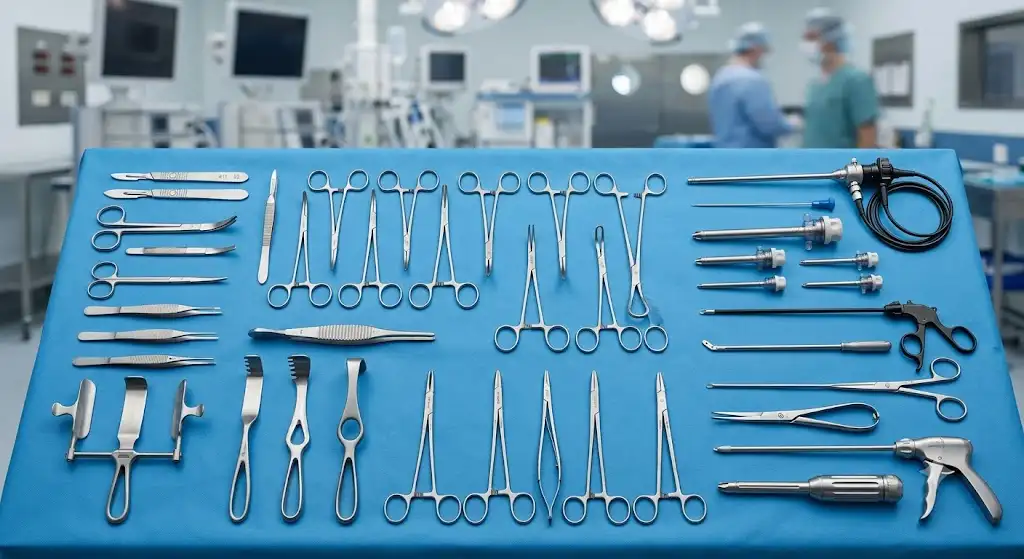
Introduction to General Surgery Instruments
General Surgery Instruments form the backbone of modern surgical practice. Whether performing a routine appendectomy, hernia repair, gallbladder removal, or complex abdominal procedure, surgeons rely on a wide range of specialized instruments to achieve precision, efficiency, and patient safety. These instruments have evolved significantly over the decades, incorporating advanced materials, ergonomic designs, and innovative technologies that support better surgical outcomes.
In today’s healthcare environment, the importance of General Surgery Instruments extends beyond the operating room. Hospitals, surgical centers, medical colleges, and healthcare providers depend on high-quality surgical tools to maintain standards of care, reduce complications, and improve recovery times for patients.
As surgical techniques continue to advance, understanding the types, functions, and significance of General Surgery Instruments becomes increasingly important for healthcare professionals, medical students, procurement specialists, and healthcare organizations.
The Evolution of General Surgery Instruments
The history of surgical instruments dates back thousands of years. Ancient civilizations, including Egyptians, Greeks, and Romans, developed basic surgical tools made from bronze, iron, and other metals. These instruments were used for wound treatment, bone setting, and simple surgical interventions.
The modern era of General Surgery Instruments began in the 19th century with the introduction of antiseptic techniques, anesthesia, and stainless steel manufacturing. These developments revolutionized surgery by improving sterility, durability, and precision.
Today, surgical instruments are manufactured using medical-grade stainless steel, titanium, tungsten carbide, and other advanced materials that offer superior strength, corrosion resistance, and longevity. The integration of minimally invasive surgery has also led to the development of highly specialized laparoscopic and robotic surgical instruments.
Importance of General Surgery Instruments in Modern Healthcare
General Surgery Instruments are essential because they directly influence surgical accuracy and patient outcomes. Every surgical procedure requires specific tools designed for particular tasks such as cutting, grasping, clamping, retracting, suturing, and dissecting tissues.
High-quality instruments provide several advantages:
Enhanced surgical precision
Reduced tissue trauma
Improved patient safety
Faster surgical procedures
Lower risk of infection
Better postoperative recovery
Increased surgeon confidence
Without properly maintained and sterilized instruments, even routine procedures can become significantly more challenging and risky.
Classification of General Surgery Instruments
General Surgery Instruments can be categorized according to their primary function.
1. Cutting and Dissecting Instruments
These instruments are used to cut tissues and perform dissections during surgical procedures.
Common examples include:
Surgical Scalpels
Mayo Scissors
Metzenbaum Scissors
Tenotomy Scissors
Tissue Knives
Scalpels are among the most frequently used surgical instruments, allowing surgeons to make precise incisions with minimal tissue damage.
2. Grasping and Holding Instruments
These instruments are designed to hold tissues securely during surgery.
Examples include:
Tissue Forceps
Thumb Forceps
Allis Tissue Forceps
Babcock Forceps
Adson Forceps
They enable surgeons to manipulate tissues safely without causing unnecessary trauma.
3. Clamping and Occluding Instruments
Clamps help control bleeding by temporarily occluding blood vessels.
Common instruments include:
Kelly Clamp
Mosquito Forceps
Rochester Clamp
Hemostatic Forceps
Crile Clamp
Effective bleeding control is crucial for maintaining visibility and preventing excessive blood loss during surgery.
4. Retracting Instruments
Retractors help expose surgical sites by holding tissues and organs away from the operative field.
Popular retractors include:
Richardson Retractor
Deaver Retractor
Army-Navy Retractor
Weitlaner Retractor
Gelpi Retractor
Proper exposure significantly improves surgical efficiency and accuracy.
5. Suturing Instruments
Suturing tools assist surgeons in closing wounds and surgical incisions.
These include:
Needle Holders
Suture Scissors
Surgical Needles
Knot Pushers
Accurate wound closure plays a vital role in healing and infection prevention.
Most Commonly Used General Surgery Instruments
Scalpel
The scalpel remains one of the most iconic surgical instruments. Modern scalpels feature disposable blades with exceptional sharpness and precision.
Mayo Scissors
These heavy-duty scissors are designed for cutting tough tissues such as fascia and muscles.
Metzenbaum Scissors
Used for delicate tissue dissection, Metzenbaum scissors offer superior control and precision.
Hemostatic Forceps
These instruments are indispensable for controlling bleeding during surgical procedures.
Needle Holders
Needle holders provide secure control during suturing and wound closure.
Retractors
Retractors allow surgeons to maintain a clear operative field and improve visibility.
Materials Used in General Surgery Instruments
The performance and durability of General Surgery Instruments depend largely on the materials used during manufacturing.
Stainless Steel
Medical-grade stainless steel remains the most common material because it offers:
Corrosion resistance
Durability
Ease of sterilization
Cost-effectiveness
Titanium
Titanium instruments are lightweight and highly resistant to corrosion, making them ideal for microsurgical and specialized procedures.
Tungsten Carbide
Tungsten carbide inserts improve grip strength and increase instrument longevity.
Polymer Components
Some modern instruments incorporate high-performance polymers to reduce weight and improve ergonomics.
Sterilization of General Surgery Instruments
Proper sterilization is essential for patient safety and infection control.
Common sterilization methods include:
Steam Sterilization (Autoclaving)
This is the most widely used method in hospitals and surgical centers.
Ethylene Oxide Sterilization
Suitable for heat-sensitive instruments.
Hydrogen Peroxide Plasma Sterilization
An advanced low-temperature sterilization technique.
Chemical Sterilization
Used for specific instrument categories that cannot tolerate high temperatures.
Failure to properly sterilize surgical instruments can lead to serious healthcare-associated infections.
Quality Standards for General Surgery Instruments
Manufacturers must comply with strict international quality standards.
Important certifications include:
ISO 13485
CE Marking
FDA Compliance
GMP Certification
These standards ensure safety, performance, and reliability.
Healthcare institutions increasingly prioritize certified surgical instruments to reduce procedural risks and maintain accreditation standards.
The Rise of Minimally Invasive Surgery
One of the most significant developments in modern surgery has been the widespread adoption of minimally invasive techniques.
As a result, General Surgery Instruments have evolved to include:
Laparoscopic Graspers
Trocar Systems
Endoscopic Scissors
Clip Applicators
Energy Devices
These instruments enable surgeons to perform procedures through small incisions, reducing pain, blood loss, and recovery time.
Patients benefit from:
Smaller scars
Shorter hospital stays
Faster recovery
Lower infection risk
Robotic-Assisted Surgery and Instrument Innovation
The emergence of robotic surgery has transformed the surgical landscape.
Advanced robotic systems utilize highly specialized instruments capable of:
Enhanced dexterity
Greater precision
Improved visualization
Better ergonomics
Robotic-assisted procedures are becoming increasingly common in general surgery, colorectal surgery, and other specialties.
This trend continues to drive innovation in General Surgery Instruments and surgical technology.
Challenges Facing Healthcare Providers
Despite technological advancements, hospitals and healthcare providers face several challenges:
Rising Costs
Premium surgical instruments can represent significant capital investments.
Instrument Maintenance
Regular inspection and maintenance are essential to ensure performance and safety.
Staff Training
Proper handling and sterilization require continuous education and competency development.
Supply Chain Disruptions
Global healthcare systems continue to experience challenges related to sourcing high-quality medical devices and surgical instruments.
Future Trends in General Surgery Instruments
The future of General Surgery Instruments is expected to be shaped by several emerging trends:
Smart Surgical Instruments
Sensors and digital technologies may provide real-time feedback during procedures.
Artificial Intelligence Integration
AI-assisted systems could improve surgical precision and decision-making.
Advanced Materials
New biomaterials may further enhance instrument performance and durability.
Sustainability
Manufacturers are increasingly exploring environmentally responsible production and packaging methods.
Personalized Surgical Solutions
Customized instruments designed for specific procedures and patient needs may become more common.
Why General Surgery Instruments Matter More Than Ever
As healthcare systems strive to improve outcomes while controlling costs, the role of General Surgery Instruments continues to grow in importance.
From routine procedures to highly complex operations, surgical instruments serve as the critical link between surgical expertise and successful patient outcomes. Advances in instrument design, manufacturing, sterilization, and technology are helping surgeons perform safer and more effective procedures than ever before.
For hospitals, surgical centers, and healthcare professionals, investing in high-quality General Surgery Instruments is not merely a procurement decision—it is an investment in patient safety, clinical excellence, and long-term healthcare success.
Conclusion
General Surgery Instruments remain at the heart of modern surgical practice. Their evolution from simple metal tools to sophisticated precision devices reflects the remarkable progress of medical science and surgical innovation. As new technologies such as minimally invasive surgery, robotics, artificial intelligence, and smart instrumentation continue to emerge, the future of surgery will increasingly depend on the quality and capabilities of these essential tools.
For healthcare providers, surgeons, and medical institutions, understanding and selecting the right General Surgery Instruments is crucial for achieving superior clinical outcomes, ensuring patient safety, and advancing the standard of surgical care in the years ahead.
OT Setup Guide: Complete Operation Theatre Planning from Basic to Advanced Level
🔸🔸 Follow us on Facebook 🔸🔸