FESS Surgery: Complete Guide to Functional Endoscopic Sinus Surgery
Functional Endoscopic Sinus Surgery (FESS) is one of the most commonly performed minimally invasive ENT procedures for treating chronic sinusitis, nasal polyps, and other conditions that block normal sinus drainage. Unlike traditional sinus surgery, FESS is performed entirely through the nostrils using an endoscope, eliminating the need for external facial incisions. The primary aim is to restore normal sinus ventilation and drainage while preserving healthy tissue whenever possible.
What is FESS Surgery?
FESS (Functional Endoscopic Sinus Surgery) is an endoscopic procedure in which an ENT surgeon inserts a thin rigid endoscope equipped with a camera and light into the nasal cavity. Specialized micro-instruments are then used to remove diseased tissue, nasal polyps, or bone obstructing the sinus openings, allowing mucus to drain normally and improving nasal airflow.
Anatomy of the Paranasal Sinuses
The paranasal sinuses include:
- Maxillary sinuses
- Ethmoid sinuses
- Frontal sinuses
- Sphenoid sinuses
These air-filled cavities produce mucus, humidify inhaled air, and reduce skull weight. Blockage of their natural openings can result in chronic inflammation, infection, facial pain, and breathing difficulty.
Indications for FESS Surgery
FESS is generally recommended after appropriate medical treatment has failed.
Common indications include:
- Chronic rhinosinusitis lasting more than 12 weeks
- Recurrent sinus infections
- Nasal polyps
- Fungal sinusitis
- Mucocele
- Sinus obstruction
- Selected benign sinonasal tumors
- Cerebrospinal fluid (CSF) leak repair
- Orbital decompression in selected cases
- Removal of foreign bodies from the nasal cavity
- Biopsy of suspicious lesions
Who is a Candidate for FESS?
Patients may benefit from FESS if they experience:
- Persistent nasal blockage
- Facial pain or pressure
- Recurrent headaches related to sinus disease
- Loss of smell
- Postnasal drip
- Thick nasal discharge
- Chronic sinus disease not responding to antibiotics, nasal steroid sprays, saline irrigation, or allergy treatment.
Preoperative Evaluation
Before surgery, the ENT surgeon usually performs:
- Detailed history
- Nasal endoscopy
- CT scan of the paranasal sinuses
- Blood investigations
- Fitness assessment for anesthesia
The CT scan acts as the “road map” during surgery by identifying diseased sinuses and anatomical variations.
Preparation Before Surgery
Patients are generally advised to:
- Stop smoking several weeks before surgery.
- Avoid aspirin, NSAIDs, and certain blood thinners as directed by the surgeon.
- Fast for the recommended period before anesthesia.
- Arrange transportation home after the procedure.
Step-by-Step FESS Procedure
A typical FESS procedure includes:
- Administration of general anesthesia.
- Nasal decongestion using medicated pledgets.
- Insertion of the nasal endoscope.
- Identification of blocked sinus openings.
- Removal of inflamed tissue, polyps, or obstructing bone.
- Enlargement of the natural sinus openings while preserving normal anatomy.
- Irrigation of the sinuses.
- Placement of absorbable dressing or nasal packing when required.
Depending on the disease extent, surgery usually lasts 1 to 3 hours.
Advantages of FESS Surgery
Compared with conventional surgery, FESS offers several advantages:
- No external incision
- Minimal bleeding
- Less postoperative pain
- Faster recovery
- Better preservation of normal tissue
- Improved breathing
- Reduced frequency of sinus infections
- Improved quality of life
- Better delivery of topical nasal medications after surgery
Possible Risks and Complications
Although FESS is considered safe, complications may occur, including:
- Bleeding
- Infection
- Adhesion formation
- Recurrence of nasal polyps
- Persistent sinus symptoms
- Reduced or altered sense of smell
- Cerebrospinal fluid leak
- Injury to the eye or surrounding structures
- Double vision or, very rarely, vision loss
Recovery After FESS
Most patients return home on the same day.
Recovery recommendations include:
- Sleep with the head elevated.
- Avoid heavy lifting for 1–2 weeks.
- Do not blow the nose forcefully.
- Perform saline nasal irrigation regularly.
- Use prescribed antibiotics or steroid sprays.
- Attend follow-up visits for endoscopic cleaning (debridement).
Most patients resume routine work within one to two weeks, although complete healing may take several weeks.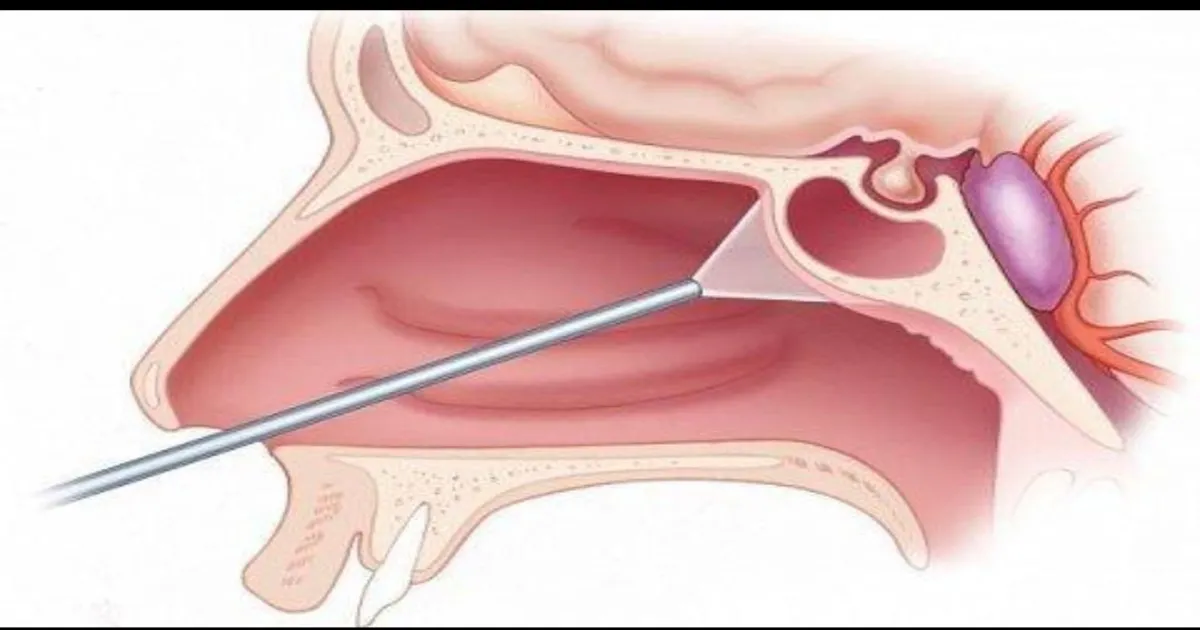
Success Rate of FESS Surgery
Studies have shown that FESS provides significant long-term symptom relief in appropriately selected patients with chronic rhinosinusitis and nasal polyps. Success depends on correct diagnosis, meticulous surgical technique, adherence to postoperative care, and management of underlying conditions such as allergies or asthma.
FESS Surgery Cost in India
The cost varies depending on:
- Hospital
- City
- Surgeon experience
- Disease severity
- Navigation-assisted surgery
- Insurance coverage
Typical price range:
₹40,000 to ₹1,50,000
Complex skull base procedures may cost more.
Frequently Asked Questions
Is FESS painful?
Pain is generally mild and well controlled with prescribed medications.
Is FESS a major surgery?
No. It is considered a minimally invasive endoscopic procedure.
Will there be stitches?
No. The surgery is performed through the nostrils without external cuts.
How long does recovery take?
Most patients recover sufficiently to return to work within 1–2 weeks, although complete healing may take longer.
Can sinusitis return after FESS?
Yes. Surgery improves sinus drainage but does not cure underlying conditions such as allergies or chronic inflammation. Continued medical therapy and follow-up are often necessary.
Conclusion
Functional Endoscopic Sinus Surgery (FESS) has become the gold standard surgical treatment for chronic sinus disease that fails medical therapy. By restoring normal sinus drainage through a minimally invasive approach, FESS offers excellent symptom relief, faster recovery, and improved quality of life for appropriately selected patients. Careful preoperative evaluation, experienced surgical technique, and diligent postoperative care remain essential for achieving the best long-term outcomes.
What is functional endoscopic sinus surgery?
Septoplasty Surgery: Procedure, Recovery & Cost in India Explained